

No matter how carefully you decorate some rooms, they still feel a little darker, a little heavier and a little smaller than the rest of the house. You buy the bigger rug, repaint the walls to a blinding white, swap the light fittings, and yet somehow, the room never becomes the bright welcoming space you imagined.
It’s easy to assume you need more room. But more often than not, what the space is really asking for is more natural light.
The funny thing about natural light is that it plays tricks on your eyes. Add more of it and suddenly the ceiling feels higher, the walls don’t seem so close together, and the room you’ve been calling “too small” starts feeling like somewhere you’d happily put your feet up with a coffee.
Of course, there are times when an extension is absolutely the right move. If your family has outgrown the home, more space is more space. But if your room already has enough floor space and just feels small there’s a good chance you don’t need that extension. You just need to let a bit more sky in.
So, before you start pricing up an extension, let’s look at whether a skylight could give you exactly what you’re chasing, for a whole lot less.
How to Make a Small Space Look Bigger with Skylights
If your room has enough floor space but feels closed in because it’s dark, a skylight is usually the smarter move, and by a wide margin.
A professional skylight installation in Queensland typically runs from $3,500 to $6,000 per unit, depending on the roof type, the ceiling configuration and how many units you’re after. Most homeowners get away with three or four skylights for well under $20,000, labour included. Compare that to an extension, and you’re looking at a fraction of the cost, finished in days rather than months.
Not all skylight installations deliver the same result. Understanding the variables helps you make a better decision from the start.
Open the Ceiling for Maximum Impact
The single biggest transformation you can get without extending is opening up the ceiling cavity to lift the ceiling height, then dropping skylights in above it. Where a room has a deep roof cavity full of trusses, pulling down the flat ceiling and exposing the roofline will flood your space in beautiful natural light.
In practice, it means removing the plasterboard ceiling and, where the structure allows, reconfiguring or exposing the trusses within the cavity. A structural assessment is only needed if the trusses have to be reconfigured, and that’s something we check on a site inspection and advise on at the time.. But when the numbers stack up, the combination of extra height and overhead natural light is one of the biggest wins you’ll find in a renovation budget.
A ceiling with no roof cavity, sitting close to the roof structure, gives you a similar payoff. It feels open, connected to the sky, without building outward.
More is more with multiple skylights
Where a deep ceiling cavity exists and the trusses need to stay in place, we splay the shaft, widening it as it comes down through the cavity to create a larger look and feel in the room below. Sometimes a tall, narrow shaft is all the structure allows, and that isn’t a problem in itself, as it still brings an abundance of natural light into the room.
Multiple skylights are another option, with several smaller openings spread across the ceiling giving a more even spread of light. Budget usually decides how far you can take this, and plenty of homes are well served by a single well-placed skylight. It’s worth talking through with your installer before you settle on a layout. Several smaller openings distributed across the ceiling create even natural light that fills the room more completely. This is one of the most important decisions in a skylight project, and it’s worth discussing with your installer before committing to a layout. Our post on the 3 factors that affect your skylight placement covers these considerations in detail.
Frameless skylights for uninterrupted sky
As there’s no internal frame reducing the glass area with a frameless skylight, you gain a few extra centimetres of skylight opening for the same roof area. Over a standard installation, this means more light per unit and greater flexibility in placement, particularly in tighter roof structures where framed options might not fit cleanly.
If you’re still deciding between product styles, our comparison of framed vs frameless types of skylights is a helpful reference.
Frameless units also tend to deliver a cleaner ceiling appearance, which reinforces the sense of openness you’re creating.
Skylights in Action
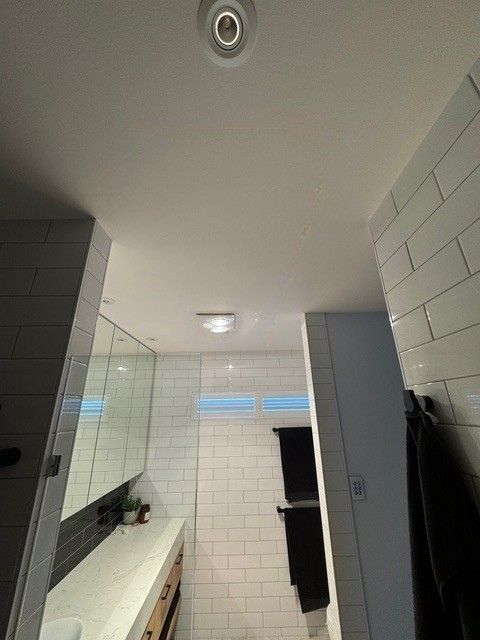
Before
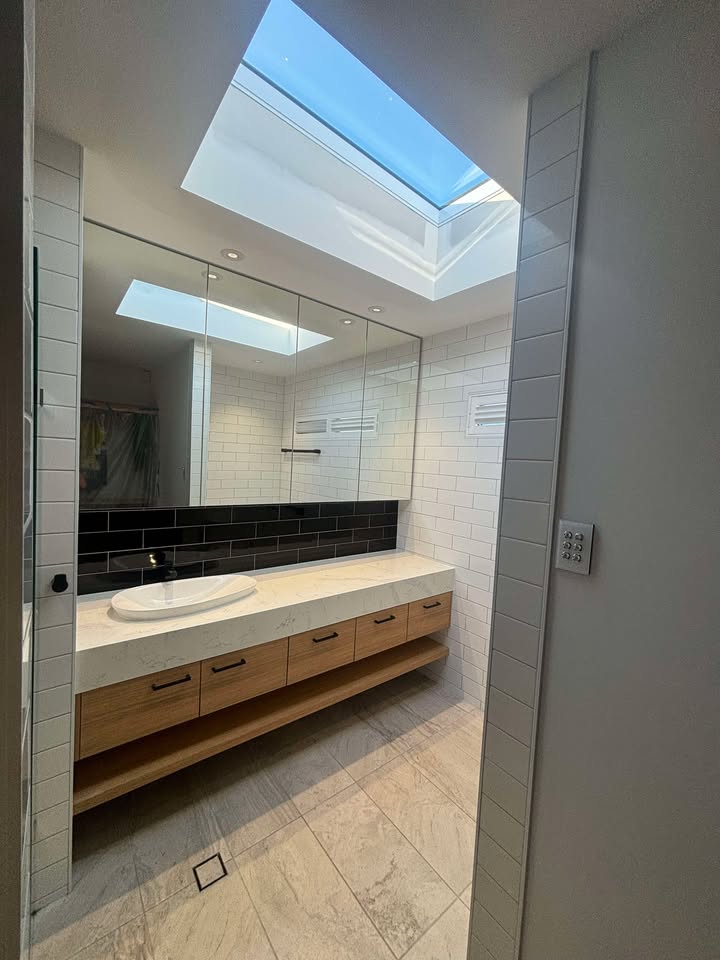
After
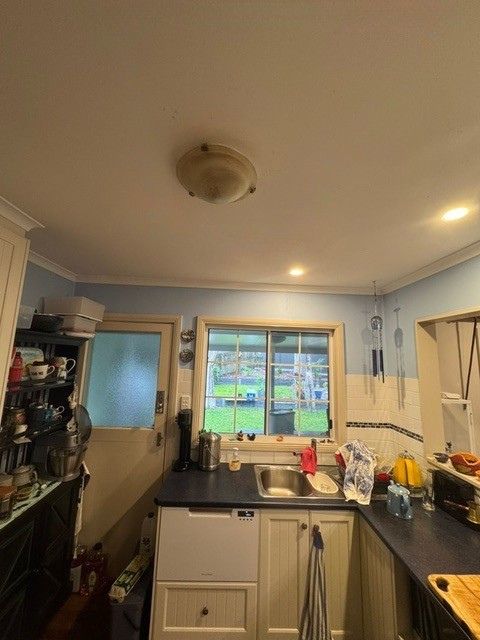
Before
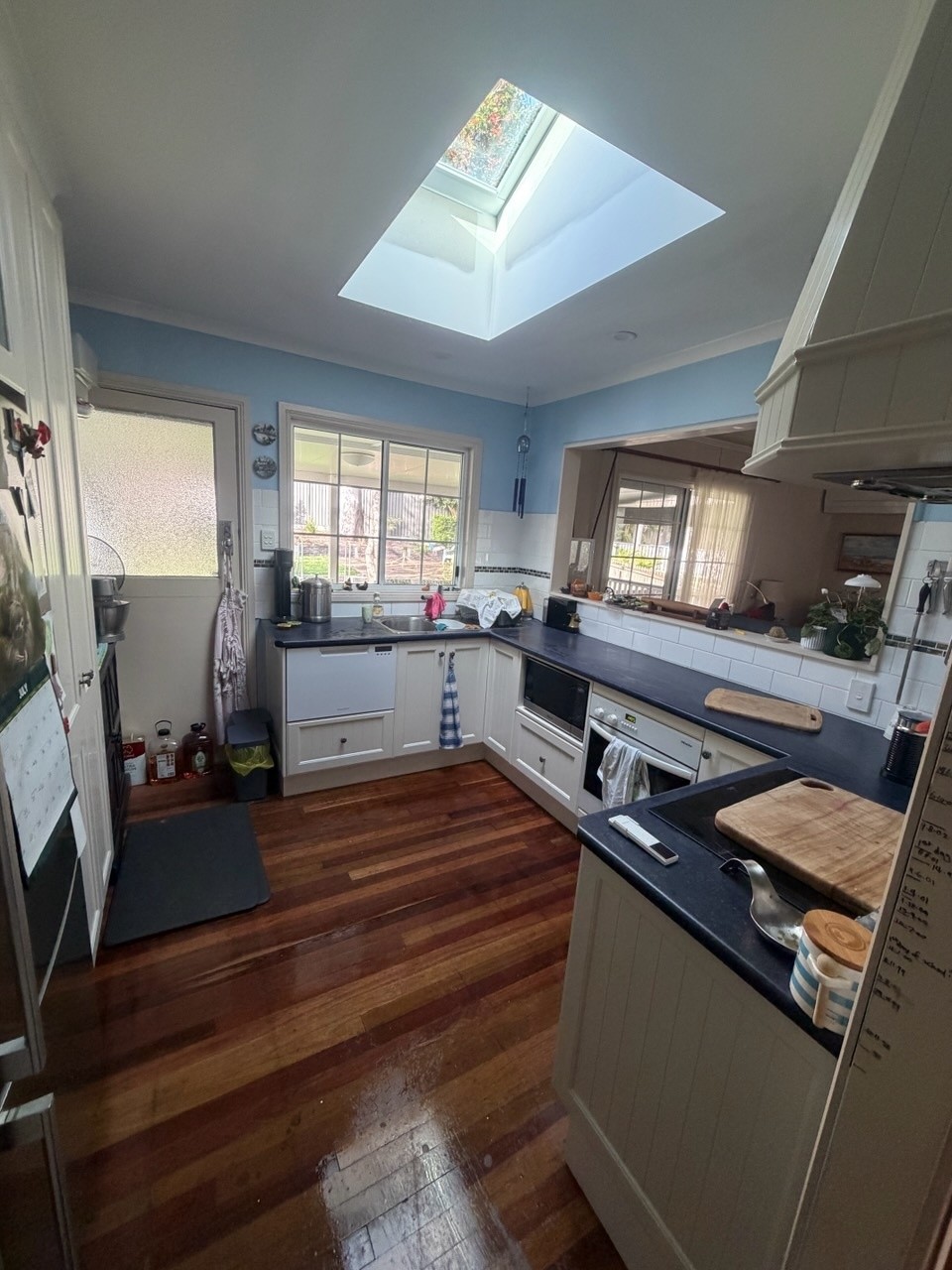
After
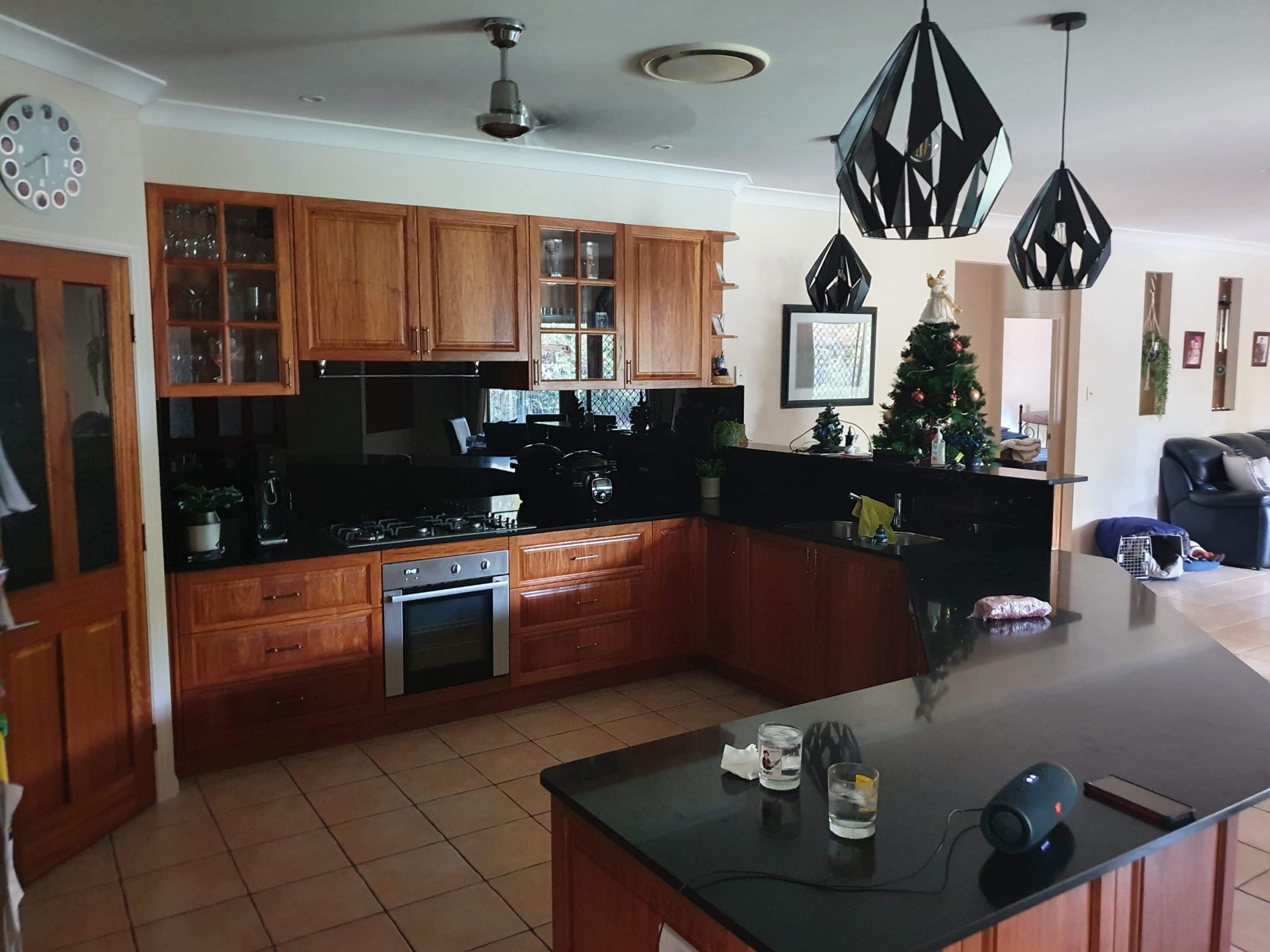
Before
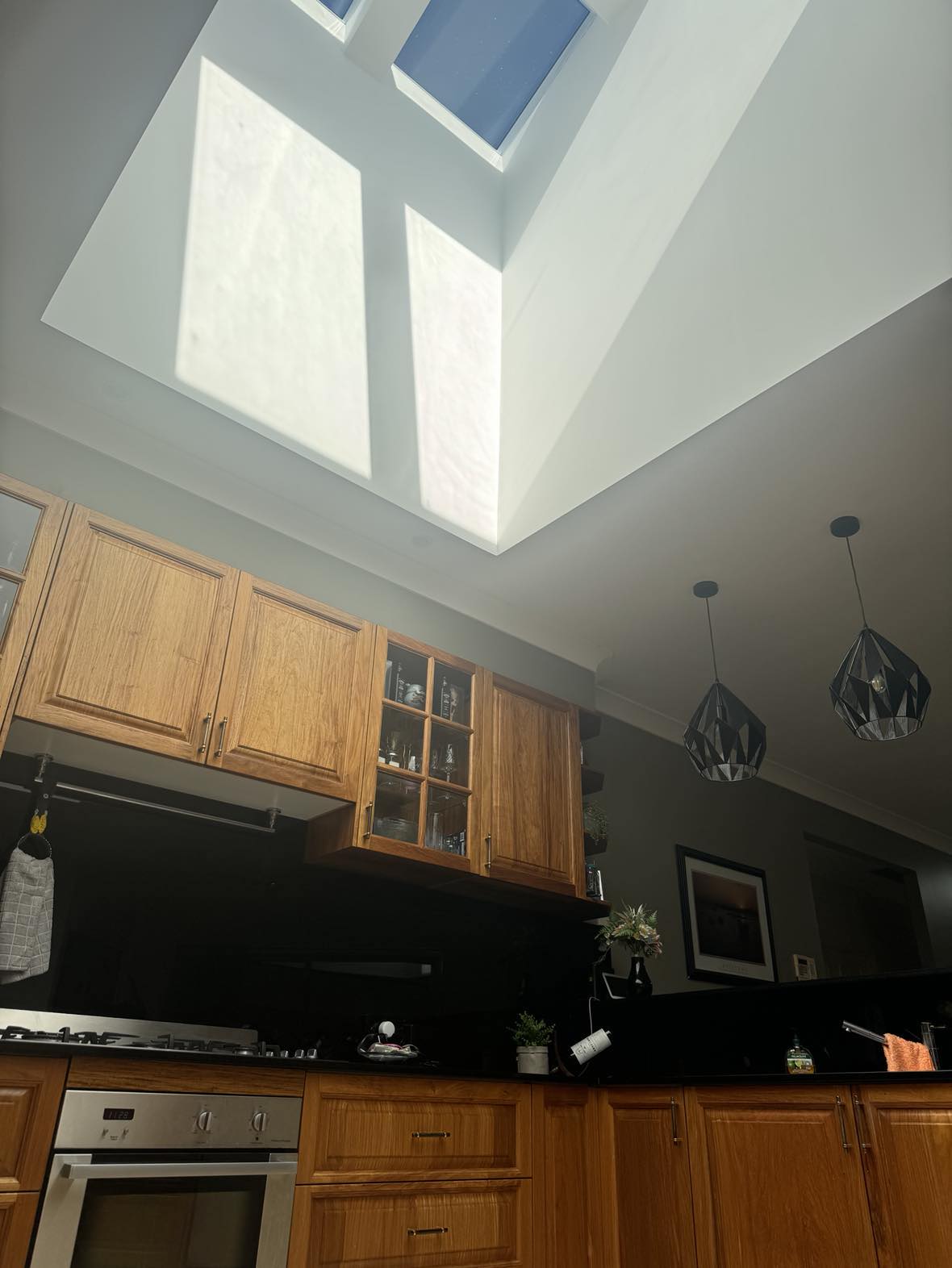
After
When an Extension Makes Sense
We love skylights, but we’re not going to pretend they’re the answer to everything.
If your family needs an additional bedroom, a larger living area, or a functional room that simply doesn’t exist yet, an extension might be a good option.
That said, it’s worth asking one question before you commit: do you actually need more house, or do you just need to use the space you already have differently?
We’ve seen plenty of homeowners jump straight to extension plans without realising the answer was already sitting above their heads. Converting an unused attic into a storage space can free up valuable room downstairs, while a full attic conversion can create an entirely new bedroom, home office or retreat without extending your home’s footprint.
Every home is different, which is why it’s worth exploring all your options before making a decision. If you’re weighing up the best way to create more space, our guide to options to create extra space is a great place to start.
The Next Step
Sometimes making a room feel bigger has nothing to do with adding more square metres.
It’s about making better use of the space you already have.
If you’ve been assuming an extension is your only option, it’s worth looking up before you start building out. A well-designed skylight, an opened-up ceiling or even an attic conversion could completely change the way your home feels, without changing its footprint.
Every home is different, and the best solution depends on your roof structure, ceiling design and what you’re hoping to achieve. That’s where a conversation with someone who’s seen it all can save you a lot of time, money and second-guessing.
If you’re wondering what’s possible in your home, get in touch with the Roof Space Renovators team. We’ll assess your roof space, talk through your options and help you find the smartest way to create a home that feels brighter, bigger and better to live in.
Understanding how to make a small room look bigger often comes down to light, not floor space. If skylights could be the answer in your home, the best next step is finding out whether your roof and ceiling configuration makes it possible. Get in touch with our team. There’s no obligation in having that conversation, and it costs nothing to ask.
Skylight Brisbane Frequently Asked Questions
How much does a skylight cost compared to an extension in Queensland?
A skylight installation in Queensland typically ranges from AUD $3,500 to $6,000 per unit installed, with most full projects sitting well under AUD $20,000. A room extension in Queensland generally costs between AUD $150,000 and $300,000 or more. If the core problem is light rather than floor space, skylights deliver the result at a fraction of the cost.
Will a skylight make my Queensland home hotter in summer?
Modern skylights with quality glazing, such as double-glazed or low-emissivity coated glass, are designed to manage heat gain while admitting light. Placement matters: south-facing skylights receive diffused rather than direct sun, reducing heat. Vented skylights can actually improve airflow and reduce ceiling-level heat. Adding a blind gives you additional control. The short answer is that a well-specified skylight in Queensland won’t cook your room; it will brighten it.
Is one skylight enough, or do I need several?
This depends on your ceiling configuration. A single skylight with a deep shaft can create an uneven pool of light. Where the ceiling cavity is deep and trusses need to stay in place, multiple skylights distributed across the space create far more even, ambient natural light. For most rooms where the goal is to make a small room look bigger, two or three well-placed skylights outperform a single unit significantly.